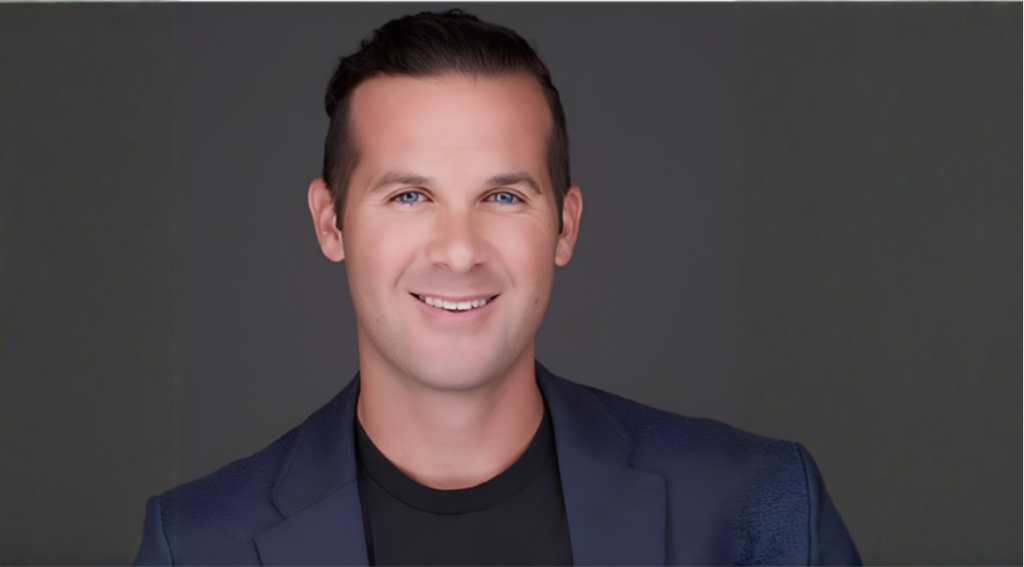
Brett Farmiloe is the founder of Featured.com, an AI tool that helps experts and PR teams find media opportunities and earn coverage. He is also the CEO of HARO (Help a Reporter Out), a service that connects a network of more than 100,000 experts with 2,500 publishers and journalists.
With AI changing how businesses get noticed, what hasn’t changed is having something meaningful to say. Businesses need to think beyond traditional media coverage and how they appear in AI-powered search and responses.
People are also becoming more important. Leaders, experts and spokespeople need to be more visible and recognised for their expertise.
Brett shares how businesses and experts can communicate more effectively, build media relationships and navigate all these changes.
Hi Brett, you've built a career around connecting people, stories and the media through technology. What led you to set up Featured.com?
Two decades ago I got into an RV with a few friends and traveled around the US to interview 300+ people about their career paths. After travelling 16,000 miles across 38 states and spending four months on the road, I came to a realisation: people need a meaningful outlet to share their expertise, because not everyone gets the microphone.
That insight has guided me across multiple companies: a digital marketing company that I ran for a decade and sold; and now, with three brands that we own and operate: Featured (co-pilot for PR), HARO (journalist requests), and Connectively (AI visibility platform).
HARO is a platform that connects journalists with experts. With AI, journalists are now receiving more noise than ever. How can businesses cut through and get noticed for the right reasons?
Get noticed by journalists, or get noticed by AI? Because the trend that’s happening now is a transition from media relations to machine relations. PR and comms pros are now drafting pitches as much for bots and AI engines as they are for the journalists they’re pitching.
Surprisingly, they’re not too different in terms of getting noticed. Be helpful, offer up some interesting and citable data and insights, and make it very easy and trustworthy to obtain information from you as a source.
During The MarComm Grind webinar, to a community of marketing and comms professionals, you shared your four principles for working with journalists: Be helpful; Be authentic; Be relevant and; Be on time. Which of these do you think businesses struggle with most, and why?
Probably being relevant. By relevant, journalists are very specific about the exact source they’re looking for in a story. A journalist might ask for an expert in rare cheese who can comment about a particular goat milk varietal, and the economic impact it can have on a remote region in Italy.
Too often sources will jump on a journalist request that they don’t have the credentials for. They might try to comment on the rare cheese story, because they enjoyed the rare cheese in a restaurant once. That’s not what the journalist wants or needs.
Responding to a journalist request is not a quantity game. It’s a quality one. Too often businesses want the benefit of being featured in the media, that they lose sight of just helping a reporter out.
What makes someone a valuable source for a journalist? Is it still about having expertise and something interesting to say, or are there other factors that make someone more likely to be approached and quoted?
Journalists need sources to inform their stories, add credibility to claims, and to help bring an article to life. That requires expertise, and citable credentials that stand alone.
I contribute articles to Fast Company and Inc. I’m not going to my editor with a source who doesn’t seem credible on the surface. Sources have to pass a blink test with a reader and an editor. Otherwise, they interrupt the flow of a story for a reader, where they have to ask themselves questions like, “Can I trust this information?”
For businesses that don't have large PR teams or established media relationships, what are some practical ways they can start building relationships with journalists and securing coverage?
I’d start with HARO. Sign up for free at helpareporter.com. Get three emails a day with journalist requests. Whether you reply or not, you can start to learn about what reporters are looking for, what stories they’re writing about, and where you and your business start to fit in as a potential source for a story.
I’d also look at creators. There’s 6 PR professionals for every 1 journalist, but there’s 30 creators for every 1 PR professional. Working with creators to create social media content and campaigns is a great alternative to reach an audience and build AI visibility.
With more people using AI to research companies, it’s making sure you can also be found for AI discoverability and visibility. You’ve mentioned one way for companies to do that is to have dedicated news pages on their websites. What should businesses include on these pages to make their content picked up by AI?
I think every company should have a Press Room or Newsroom on their website. The Press Room should serve as a single source of truth for AI bots and members of the media.
There should be the simple boilerplate about what your company is, and what it does. But there should also be a collection of press releases, media mentions, research studies, podcast appearances, and anything else that you would want AI to know about your company.
I really think that Press Rooms are going to be a mandatory page and major initiative for every PR and comms team in the year ahead. Back in the day, companies didn’t have a Jobs or Careers page on their website. Now, even if they’re not hiring, that page exists on a website. I think Press Rooms will be the same, because they’re just too valuable for AI citations and visibility.
You also talked about making websites and newsrooms AI or agent-ready. What does that mean in practical terms, and where should a business start if it wants to check how discoverable its content is to AI?
You can go to Is-Agentic.com, put in your website url, and see how ready your website is for AI agents.
Agentic traffic has already surpassed human traffic on the web, and it’s expected to skyrocket in growth in the years ahead. If you want to be visible in AI, step one is to make sure your website is ready to welcome agentic web visitors.
How should businesses measure success in this new environment? E.g. media mentions, reach and share of voice, or do we need a new way of measuring visibility and influence?
I’m an auditor by background. I love my numbers, and I’m all about reports. But when it comes to measurements in this environment, I think the most reliable reporting is qualitative.
How did a customer hear about you? What does your sales team think is working? What do the trends in your data tell you about what might be working?
It’s almost the same way PR has always been measured. I imagine when the newspaper became the front page that everyone opened, metrics were invented to try and quantify the impact a newspaper ad had. We’re kind of in that stage, just with a new front page.
We're seeing social media platforms prioritise individual voices and creators over traditional company pages. What does this mean for businesses trying to build their reputation and visibility?
This has been going on since Facebook introduced brand pages, back somewhere around 2009. Social media platforms want brands to advertise, which is why their algorithms reduce the reach company pages have.
This means you can either pay for reach, or enlist employees as ambassadors for your company and encourage them to post, like, and comment on LinkedIn.
How important is it for business leaders and subject matter experts to build their own profiles to become more visible, rather than relying solely on their company's corporate communication channels?
LinkedIn seems to be the number one marketing channel, period, in business today. Articles feature individual opinions from experts, not a corporate issued statement (unless the company is in crisis comms mode). Bottom line is that the world has trended towards individual people at companies, because – I think – trust has become such an issue.
It’s easier to trust a person, than a company, brand, or publisher. That’s why this trend of building individual personal brands is so important today for business leaders. No one trusts anyone. Perhaps they’ll trust a company more, if they can connect with the people behind it.
On the webinar, you touched on how AI can pick up information from someone's LinkedIn profile, including their headline and opening description. What makes an online profile more likely to be recognised as a credible source of expertise?
Good question. I’m not sure. But, I’d venture to guess that it’s along the same lines as a human reviewer of a profile would take. If you can present yourself well to a recruiter on LinkedIn, you’ll likely present yourself well to AI.
Looking ahead, how do you think AI will continue to change the media landscape? What final advice would you give businesses and experts to stay visible, relevant and credible?
AI will continue to change the media landscape until it is the media landscape. The front page went from the newspaper to search engines to AI. PR and comms pros will continue to think about how they can get a business and expert to be visible, relevant, and credible with AI.
That target will move constantly in the years to come. The advice is to find what works, double down until it doesn’t, and keep staying ahead by trying new things.
Thanks Brett – some great tips and insights. To find out more about Brett, his work and businesses, you can connect with him on LinkedIn.
You can also hear more from Brett on The MarComm Grind webinar.