A conversation with three marketers who built their own businesses. We discuss the shift from corporate life to entrepreneurship and the realities of building and scaling a business using the right marketing approaches.

Sara Kennaugh, Founder, Konnected Marketing and Communications
Sara is a marketing leader who designs strategies that drive meaningful growth. She works with professional service firms, mainly in Financial Services, helping them navigate change, unlock opportunities, and achieve their ambitious growth targets.

Matt Kaye, Founder, Kanary Digital
Matt works with B2B businesses – consultancies, recruitment and research firms, helping them develop marketing strategies that deliver measurable results. He builds consistent pipelines through lead campaigns that build brand awareness and strong customer loyalty.
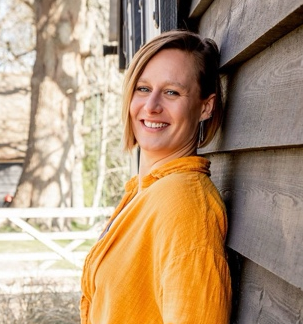
Laura Thompson, Founder, Connect Studio
Laura partners with founder-led businesses to bring clarity and direction to their marketing. She delivers in-depth strategy sessions, audits, and tailored roadmaps to help her clients refine their positioning through effective, long-term marketing approaches.
Thank you all for taking part in this roundtable. What first led you into marketing?
Sara: I fell into marketing. When I was 25, I came back from travelling, and a recruitment agency sent me for a job interview to work as a project coordinator for a marketing director. I found the work really interesting and built my marketing career from there.
Matt: I never really knew what I wanted to do. I studied sports science at university because I liked sports. The part of my degree I enjoyed most was psychology. Understanding what makes people tick and what appeals to them. I thought marketing could be interesting in terms of how you influence people. I landed my first job in a small marketing agency, and it took off from there.
Laura: I also got into marketing through quite a random journey. Like Matt, I love sports and being active and got my degree in dance. After my degree, I was keen to run dance, sports or theatre events. I loved the idea of bringing people together around a common goal. Struggling to find work, I also travelled for a bit before eventually landing a job running events. The company partnered with several large firms, and a contact there pulled me in to work in her marketing team. I was also intrigued by the psychology of what drives human behaviour and makes a customer want to buy a product or service. That still fascinates me.
What made you leave corporate life and start your own business?
Sara: Having children and wanting to spend more time with them. Things also took longer to get done in large corporate environments. As a consultant and business owner, clients are bringing you in for your expertise and services, so things tend to progress more quickly.
Matt: Working in a large company, I initially loved working across different types of projects. But after a while, I felt like a tiny part of a massive machine and didn’t always feel like what I was doing was making a difference. I thought, either continue building a corporate career or start something of my own, which I did.
Laura: After I had my second son, I felt the corporate environment wasn’t bringing out my strengths the way I wanted it to. I was no longer feeling a connection to my work and environment, and I was starting to dull myself down. But the real turning point was being made redundant after losing my mum suddenly. All of that compounded into being thrust on a new path.
What’s something about running your own marketing business that surprised you - good or bad?
Sara: It confirmed where my strengths and weaknesses lie. For example, I don’t enjoy the admin side, such as invoicing and accounts. Straight away, I got an assistant to handle those, which allowed me to focus my time on where I add value.
Matt: I don’t know whether it surprised me or not, but finding the time to market my business. When you land clients, you want to do the best job for them. But you end up neglecting promoting your own business as a result. I find that balance really challenging.
Laura: It’s been different from what I expected, but wonderful. I wake up excited, thinking, “What am I doing today?” I don’t struggle with motivation or with getting started. If anything, I struggle with being overwhelmed by the amount I want to do. I’m enjoying being more creative and pushing myself. But the downside is no longer being able to rely on a regular salary, as building a pipeline takes time. That’s a real fear. But I try not to let comparisons or imposter syndrome show up, or let that fear win.
In your view, what does “good marketing” look like today, and has that changed over time?
Sara: For me, good marketing is having a seat at the senior table. A marketing leader who understands the commercial side of your business and how to take every pound spent on marketing and convert it into five, six, seven pounds of revenue and value. It’s knowing how to be client centric and use those insights to build leads, products or services, and identify new markets, geographies and adjacent services. Good marketing must understand the P&L of the business it’s working for. It’s being part of a strategic team that knows how to grow a business commercially and creatively, in addition to creating opportunities for your team.
Matt: I don’t think good marketing has changed over time. The fundamentals are the same. First, it’s about being authentic and sticking to what’s unique about you, rather than jumping on the latest trend or following what other organisations are doing. Secondly, it’s addressing your audience’s needs and pain points. Businesses can get lost in promoting their product or service, but it’s going back to: what challenges are you trying to solve for your customer? Then, be consistent with the language you’re using.
Laura: I agree with that. It’s having a consistent, layered approach. The same messages throughout at different touchpoints, to make it feel authentic. It’s having an engaging point of view. You have to keep it simple, so it resonates with your audience. But also being methodical in your approach to who you’re marketing to and why. I would add that you have to be willing to listen, so you’re not just shouting into a void or throwing marketing that your customers don’t care about.
What are the most common challenges your clients come to you with?
Sara: It’s often a time, resource or skill challenge they need help with to deliver results quickly. They have small in-house teams but perhaps lack the commercial expertise as they’re too busy delivering to look at the bigger picture. The world is changing quickly, be it geopolitically or digitally, making it hard for internal teams to stay on top of everything. They need consultants or agencies to help fill these gaps with additional expertise.
Matt: What’s pretty consistent with the clients I work with is they want more leads, more growth, and they want it now! The problem is that you’ve got all these ‘lead generation’ companies promising 50 leads a month, but most of the time, they can’t deliver that, and if they do, the leads are usually low-quality and low-value. That’s distorting expectations, meaning clients want to go from zero to 100 when in reality, it might take between 6 and 18 months to land a prospect. I always advise my clients to start by clearly defining who they are, who they should be targeting, and how to nurture their pipeline. Only 5% of buyers are in the market at any given time, so you have to stay front of mind with the other 95% by building trust, reputation and brand presence. Once they’re ready to buy, they’ll then think of you. The opportunities will come if you create the right systems around it.
Laura: I find clients overcomplicate their marketing. It should be a human conversation, curated for the right audience, focused on what customers need because of what they’re struggling with. Clients come to me feeling overwhelmed by the tactics and being in the weeds. When you look at what they’re doing, their messaging isn’t aligned most of the time. Positioning and messaging should reflect what they value and what their business and clients value. It must be embedded in the business and align with what matters to their audience to make a real impact.
Why do you think so many businesses struggle to articulate a clear marketing strategy?
Sara: They’re often too focused on tactical activities. Instead, it should come back to: who are you trying to speak to, what is your value proposition, how does it align with market needs, and how will you realise your commercial goals. It’s about developing a clear marketing strategy, not just a plan of activities.
Matt: I find clients are afraid to focus on one particular target audience. They haven’t got a clear marketing strategy because they’re trying to appeal to everyone. When you build something that’s more coherent, more connected, that’s what helps people understand how you can help them. Too many organisations fear that if they don’t talk to all these different markets and audiences, they can’t grow their business. But that leads to wasted time and spending because they’re then spread too thin. If even a large organisation can’t appeal to everyone, then you’re definitely not going to be able to as an SME. With a clearer focus, your margins will be better in the long run.
Laura: My clients are also so focused on their business that they haven’t had time to prioritise the deeper work that’s required to create a clear marketing strategy. It’s about understanding the strategic side, not just the tactical side.
For businesses that see marketing as a “nice-to-have,” how do you explain its value and impact?
Sara: I ask them two questions. Firstly, where do you want to be in three to five years’ time? And I will challenge that if they want higher revenues, a larger market share, or to reach new markets, they can’t do so without marketing. Secondly, what type of marketing do they have? Undirected marketing, pushing out service focused content, won’t provide value or impact. Marketing will just be an overhead or a nice-to-have if it doesn’t have a commercial strategy behind it.
Matt: A good way is to look at their sales cycle and pipeline of new and existing customers. Where are there opportunities being missed, revenue being left on the table and a lack of repeat work from customers? Then build a case for how, with effective marketing, account management and business development, you could plug those gaps. To Sara’s point, it’s helping them see marketing as a commercial function to drive their business forward.
Laura: Clients often focus on the tactical side, which are the nice-to-haves and some you probably don’t need. As Matt and Sara said, it always comes back to the strategy. Where everything should start from. You need to know the spine of your business, its value and who you cater for. With the right strategy, your customers can know who you are and buy from you.
Finally, when you’re not working, what do you enjoy doing to switch off?
Sara: My husband and I recently picked up cocktail-making after I threw a ‘cocktails and kebabs’ birthday party last year. Negroni is my signature cocktail at the moment, but made with tequila, not gin. Otherwise, when I’m not ferrying my two teenagers around, I’m mostly out on long walks with my Border Terrier Maxwell, who’s a complete nutter.
Matt: This year has been carnage for me! We moved house, and my fiancé and I are getting married in September. In between the house move and wedding planning, when I do get a chance to switch off, I like to stay active, go to the gym or swim, which keeps me in a good headspace. I’m also learning to play golf, which I’m not very good at (and can sometimes not be good for the headspace!), but my goal this year is to get better.
Laura: I spend a lot of time with my young family and my husband. I also seem to spend a lot of time doing DIY! I love moving my body, lifting heavy weights at the gym, finding cool coffee spots, going to the theatre, and I still love to dance, when I get the chance!
Thanks, Sara, Matt, and Laura, for this great conversation that’s going to help businesses be clearer about their marketing approach to grow their business. You can connect with Sara, Matt and Laura via their LinkedIn below:
- Sara Kennaugh, Konnected Marketing and Communications
- Matt Kaye, Kanary Digital
- Laura Thompson, Connect Studio